Atelier NISHI
THANGKA PAINTING
in
SPAIN
Works of a Japanese Thangka Painter
- Yoji Nishi -
WORKS
CATEGORIES
THANGKA
THE SUPREME ART
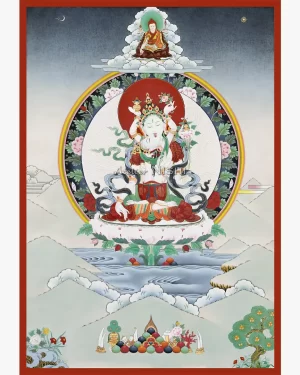
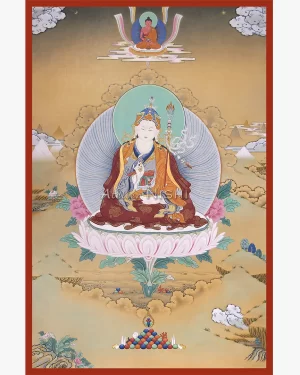
Superbly painted in rich colors and exquisite detail, from the long tradition of the Himalayan region, the “thangka painting” depicts the blissful worlds of Tibetan Buddhism. The world of peaceful deities with a look of compassion and a gentle smile, or the wrathful deities with a fierce expression spreading their multiple arms amidst a mass of primordial wisdom fire.
Thangka painting is not just an ornamental art for decoration, but a tool to convey deep iconographic information to support the meditation of Buddhist practitioners.
Lineage
Throughout long history of Himalayan region, many prominent artists have developed their own traditions of Tibetan thangka painting to visually represent the wide variety of deities and transcendent Buddha realm described in the Buddhist scriptures.
One of these traditions, the tradition of Karma Gardri style, also known as “Encampment style” is originated in Eastern Tibet during the 16th century.
The majority of the thangkas displayed on this site are painted in accordance with this tradition.
This style effectively uses a transparent, pastel background contrasted with the rich, deep colors of the deities. Together with another contrast of "space" and "detail", traditional Karma Gardri style thangkas create a magnificent meditative image.
Technique and Materials
The process of making a traditional Thangka painting involves many intricate and demanding stages, each of which must be carried out with great care and precision in order to achieve the best possible result.
With this commitment to quality and tradition in mind, we predominantly use natural mineral and earth pigments, as well as organic dyes, in the creation of our Thangkas.
These include warm and soft earth colors, clear transparent dyes, and mineral pigments made from ground gemstones such as azurite and malachite.
It is essential to use the finest materials available, as they determine both the longevity and vibrancy of the finished thangka. When crafted with proper techniques, such materials not only enhance the dignified radiance and serene presence of the deities, but also ensure that the artwork retains its depth and vitality for generations.
Thangka Painter
In Thangka paintings, which are used as visual support for meditation practice, details of the deities depicted must be according to what is described in the Buddhist texts and the painter is strictly not allowed to alter them according to personal ideas or preferences.
Thangka painting is, therefore, an exact and faithful visualization of the spiritual world described within the sacred scriptures.
While it is of the utmost importance that Thangka painters accurately portray the deities and their world as described in the texts, there are also many aspects left open to their freedom, allowing them to express the dignity of the deities and their realm through their own experience and imagination.
These open areas are not arbitrary, but are understood through their understanding of Buddhism and the experience they bring as painters.
Lineage
Throughout long history of Himalayan region, many prominent artists have developed their own traditions of Tibetan thangka painting to visually represent the wide variety of deities and transcendent Buddha realm described in the Buddhist scriptures.
One of these traditions, the tradition of Karma Gardri style, also known as “Encampment style” is originated in Eastern Tibet during the 16th century.
The majority of the thangkas displayed on this site are painted in accordance with this tradition.
This style effectively uses a transparent, pastel background contrasted with the rich, deep colors of the deities. Together with another contrast of "space" and "detail", traditional Karma Gardri style thangkas create a magnificent meditative image.
Technique and Materials
The process of making a traditional Thangka painting involves many intricate and demanding stages, each of which must be carried out with great care and precision in order to achieve the best possible result.
With this commitment to quality and tradition in mind, we predominantly use natural mineral and earth pigments, as well as organic dyes, in the creation of our Thangkas.
These include warm and soft earth colors, clear transparent dyes, and mineral pigments made from ground gemstones such as azurite and malachite.
It is essential to use the finest materials available, as they determine both the longevity and vibrancy of the finished thangka. When crafted with proper techniques, such materials not only enhance the dignified radiance and serene presence of the deities, but also ensure that the artwork retains its depth and vitality for generations.
Thangka Painter
In Thangka paintings, which are used as visual support for meditation practice, details of the deities depicted must be according to what is described in the Buddhist texts and the painter is strictly not allowed to alter them according to personal ideas or preferences.
Thangka painting is, therefore, an exact and faithful visualization of the spiritual world described within the sacred scriptures.
While it is of the utmost importance that Thangka painters accurately portray the deities and their world as described in the texts, there are also many aspects left open to their freedom, allowing them to express the dignity of the deities and their realm through their own experience and imagination.
These open areas are not arbitrary, but are understood through their understanding of Buddhism and the experience they bring as painters.
GALLERY
THANGKA

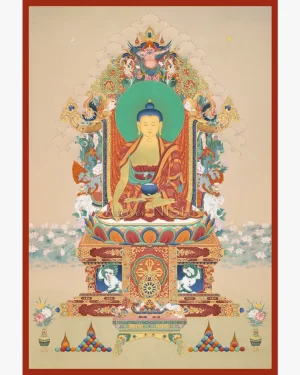
Buddha Shakyamuni
The Supreme Teacher Who Turned the Wheel of Dharma
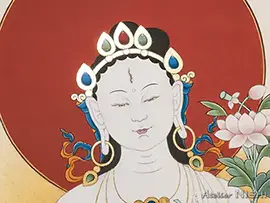
White Tara
The Seven-Eyed Mother of Immortality and Healing Light
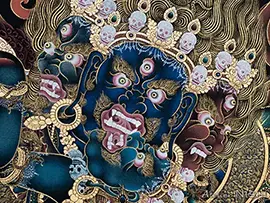
Vajrakilaya
Wrathful purity, the blade of enlightened activity
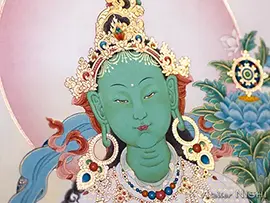
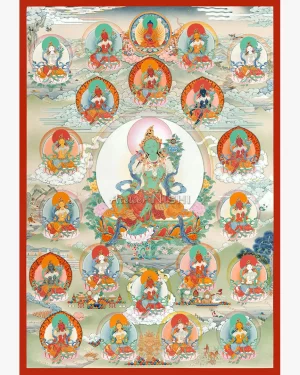
Twenty-one Taras
The 21 manifestations of Tara’s compassion and wisdom
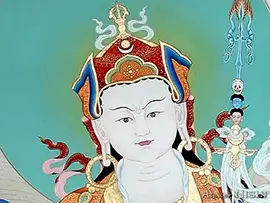
Padmasambhava
Lotus born, Manifestation of Compassion and Wisdom
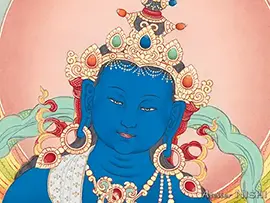
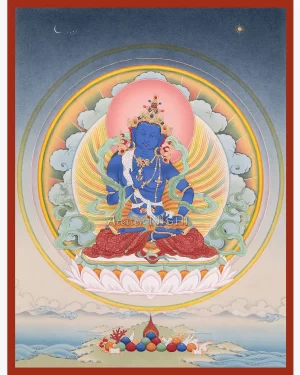
Akshobhya Vajrasattva
A Silent Force of Inner Purification
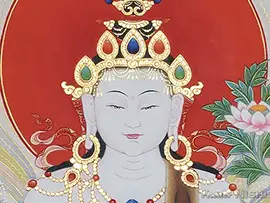
Chenrezig
The Embodiment of Infinite Compassion for All Sentient Beings
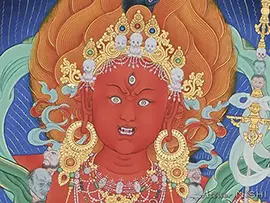
Vajrayogini
Radiant red dakini of secret essence
High resolution
Thangka Reproductions
Authentic reproductions of Tibetan thangka paintings, reflecting the dignity of the blissful fields of deities in Tibetan Buddhism.
ATELIER NISHI
ONLINE STORE
REPRODUCTION
Booklet
EXPLORE
Reproduction
Twenty-one Taras
€80,00 – €570,00Price range: €80,00 through €570,00Buddha Shakyamuni
€80,00 – €281,00Price range: €80,00 through €281,00Guru Dorje Drolo
€80,00 – €190,00Price range: €80,00 through €190,00Akshobhya Vajrasattva
€80,00 – €138,00Price range: €80,00 through €138,00Green Tara
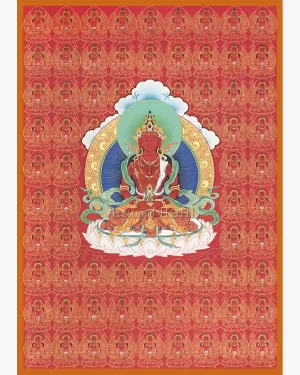
€80,00 – €190,00Price range: €80,00 through €190,00Amitāyus
€80,00 – €190,00Price range: €80,00 through €190,00Chimé Pagmé Nyingthig
€80,00 – €143,00Price range: €80,00 through €143,00Dewachen
€164,00 – €260,00Price range: €164,00 through €260,00Padmasambhava with Amitabha
€80,00 – €207,00Price range: €80,00 through €207,00
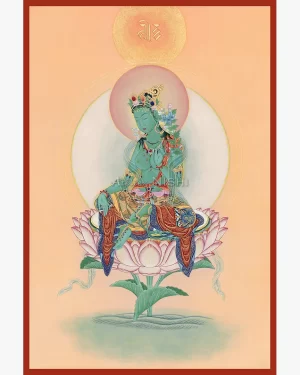
Twenty-one Taras
€80,00 – €570,00Price range: €80,00 through €570,00Buddha Shakyamuni
€80,00 – €281,00Price range: €80,00 through €281,00Guru Dorje Drolo
€80,00 – €190,00Price range: €80,00 through €190,00Akshobhya Vajrasattva
€80,00 – €138,00Price range: €80,00 through €138,00Green Tara
€80,00 – €190,00Price range: €80,00 through €190,00Amitāyus
€80,00 – €190,00Price range: €80,00 through €190,00Chimé Pagmé Nyingthig
€80,00 – €143,00Price range: €80,00 through €143,00Dewachen
€164,00 – €260,00Price range: €164,00 through €260,00